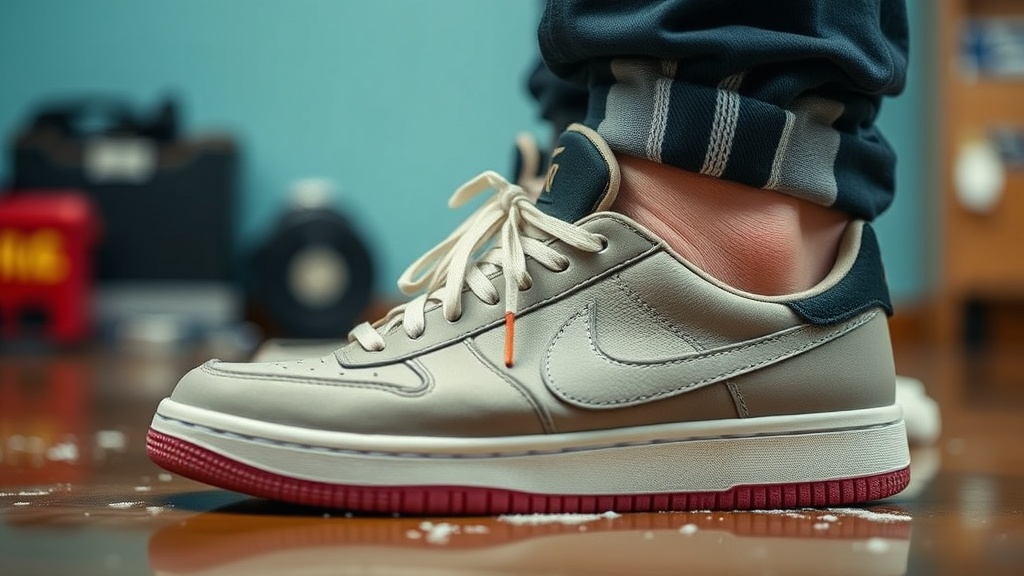
7 Sneaker Cleaning Tools That Are Actually Worth Your Money

Premium Soft Bristle Brushes
Microfiber Micro-Fiber Cloths
High-Performance Cleaning Solutions
Precision Detail Brushes
The Non-Toxic Foam Cleaner
Suede-Specific Brushes
The Eraser for Scuff Removal
Studies show that high-end sneaker collectors can lose up to 40% of a shoe's resale value due to improper cleaning or visible material degradation. Keeping a collection in pristine condition isn't just about looks; it's about protecting your investment. This list breaks down the seven specific tools that actually yield results, helping you avoid the cheap-plastic junk that ruins midsoles and scuffs suede.
What are the best sneaker cleaning kits?
The best sneaker cleaning kits are those that offer a dedicated solution for different materials, specifically separating soft brushes from stiff ones. You can't use a heavy-duty brush on a delicate suede pair of Jordan 1s without causing permanent damage. A high-quality kit should include a specialized solution, a soft-bristle brush, and a microfiber cloth.
I've spent way too much money on "all-in-one" kits that ended up being useless for anything other than basic canvas sneakers. If you're serious about your rotation, you need tools that respect the texture of the material. For example, the Jason Markk cleaning kit is a staple for a reason. It's reliable. It doesn't leave weird chemical residues behind that can cause the dreaded yellowing effect (which is a whole other nightmare).
When you're looking at kits, check for these three things:
- pH-balanced solutions: You don't want harsh chemicals eating away at the glue.
- Bristle density: Soft for suede/nubuck, medium for leather, stiff for the outsoles.
- Portability: If you're a collector who travels, a small travel-sized bottle is a lifesaver.
If you've ever wondered why do my sneakers yellow, you'll realize that using the wrong soap is often the culprit. It's not just about dirt; it's about chemical reactions.
7 Essential Tools for Your Collection
1. The Soft-Bristle Brush
A soft-bristle brush is your most important tool for upper-material maintenance. Most people make the mistake of using a toothbrush for everything, but that's often too abrasive for premium leather or suede. A dedicated soft brush—like the one from Reshoevn8r—allows you to agitate the dirt without lifting the nap of the suede or scratching the leather surface.
2. The Stiff Outsole Brush
The outsole is the part of the shoe that takes the most abuse. You need something with enough "bite" to get the dirt and pebbles out of the grooves. A stiff-bristled brush is perfect for the rubber parts of the shoe. Just don't let it touch the upper unless you're feeling particularly brave (and want to ruin your shoes).
3. Microfiber Cloths
Stop using old t-shirts. Microfiber is designed to trap microscopic particles and absorb moisture without leaving lint behind. When you're wiping down a pair of high-end leather sneakers, you want a surface that is incredibly smooth. A cheap rag can actually leave micro-scratches on patent leather over time.
4. Suede Eraser
Suede is a nightmare. It's beautiful, but it's a magnet for scuffs and water spots. A suede eraser—specifically the kind from Crep Protect—works by lifting the dried pigment and dirt out of the fibers. It's a dry process, which is better than using liquid cleaners that might saturate the material and change the color.
5. Premium Cleaning Solution
You need a solution that is effective but gentle. Most professional-grade solutions are biodegradable and water-based. If you use something too harsh, you might actually strip the finish off your leather. It's a fine line between clean and damaged.
6. Precision Tweezers
This sounds overkill, but it isn't. Sometimes you'll get a tiny piece of debris or a thread caught in the way-deep grooves of a Yeezy or a complex mesh upper. Tweezers allow you to remove these without the clumsy struggle of using your fingers. It's a small detail that makes a big difference in a professional-looking clean.
7. Deodorizing Inserts
Cleaning the outside is only half the battle. If you're wearing your grails, the inside gets gross. Cedar wood inserts or high-quality charcoal bags help absorb moisture and odor. This keeps the interior fresh and prevents the buildup of bacteria that can ruin the lining of your shoes.
| Tool Type | Best For | Material Risk |
|---|---|---|
| Soft Brush | Upper/Leather | Low |
| Stiff Brush | Outsole/Rubber | High (on uppers) |
| Suede Eraser | Suede/Nubuck | Medium |
| Microfiber | All Surfaces | Very Low |
How much does a professional cleaning kit cost?
A high-quality professional cleaning kit typically costs between $20 and $40 USD. While you can find cheap versions at a local big-box store, they often lack the specialized brushes and pH-balanced solutions required for high-end collectibles. Investing an extra $15 now can save a $500 pair of sneakers later.
It's easy to get caught up in the hype of "luxury" cleaning brands, but you don't need to spend a fortune. The goal is functionality. A basic kit from a reputable brand like Jason Markk or Crep Protect provides exactly what you need without the unnecessary markup. If you're just starting out, don't feel pressured to buy the most expensive kit on the market immediately.
That said, if you're dealing with high-value items, the cost of a bad cleaning session is much higher than the cost of a good kit. I've seen people try to use dish soap on a pair of vintage Dunks, and the results were catastrophic. The soap was too harsh, and it stripped the finish entirely. It's a mistake you only make once.
When you're managing a large collection, you also need to consider long-term storage. If you clean them perfectly and then leave them in a damp basement, you've wasted your time. You should learn how to store and display your collection to ensure the cleaning actually lasts. Proper storage is the second half of the maintenance equation.
One thing to keep in mind: never use heat to dry your shoes. I know it's tempting to put them near a radiator or use a hair dryer when they're damp, but this is a recipe for disaster. Heat can warp the shape of the shoe and cause the glue to fail. Always air dry them in a cool, dry place.
If you're working with suede, the rules change slightly. You'll want to use a suede brush after the eraser to "fluff" the nap back up. If you don't, the area might look flat and matted. It's a small step, but it's what separates a casual wearer from a true collector.
The world of sneaker collecting is about more than just buying the latest drop. It's about the stewardship of the items you own. Whether you're holding onto a pair of Nike SB low-tops or a rare Adidas collaboration, the way you treat them determines their longevity. Don't be the person who ruins a masterpiece with a cheap brush and a lack of knowledge.
It's a hobby that requires patience. Sometimes, a deep clean takes an hour. Sometimes, it's just a quick wipe with a damp cloth. Knowing which tool to use for which job is the most important skill you can develop in this community.