How to Store and Display Your Sneaker Collection Like a Pro

What This Guide Covers (and Why Your Collection Deserves Better Than a Closet Pile)
This post breaks down the complete storage and display systems used by serious collectors to protect sneaker value, prevent yellowing and creasing, and turn a pile of boxes into a showroom-worthy setup. Whether sitting on five grails or five hundred pairs, the difference between a scattered mess and an organized collection comes down to method, materials, and a few battle-tested tricks from people who've learned the hard way. You'll get specific product recommendations, environmental control strategies, and display options ranging from budget setups to full room transformations. No fluff. Just what works.
How Should You Store Sneakers Long-Term Without Damaging Them?
The best long-term sneaker storage keeps shoes in a cool, dry, dark environment with stable humidity and proper airflow. Temperature swings, moisture, and UV light are the three killers that turn pristine retros into crumbling bricks.
Here's the thing: heat isn't just uncomfortable for sneakers. It accelerates sole separation, yellows midsoles, and dries out adhesives. The Smithsonian's conservation guidelines for synthetic materials (which include polyurethane midsoles) recommend storage between 60-70°F with relative humidity around 45-55%. Your attic in July? A death sentence. That garage that hits 90 degrees? Say goodbye to those 2011 Concord 11s.
Moisture breeds mold and mildew. Once that smell sets into foam padding or insoles, it's nearly impossible to remove. Some collectors run small dehumidifiers in dedicated sneaker rooms. Others use Silica Gel Packets (the DampRid Hanging Moisture Absorbers work for closets) or reusable desiccant canisters that change color when saturated.
Light damage is insidious. UV rays break down dyes and materials over time. That pristine white leather? It'll turn cream, then yellow, then straw-colored if left near a window. Blackout curtains help. Better yet, store boxes away from direct light entirely.
The catch? Stacking matters too. Heavy boxes on top of light ones crush toe boxes. Stacking too high creates instability. Most collectors keep stacks under four boxes high, using heavier OG boxes on bottom and lighter releases up top.
What's the Best Way to Display Sneakers: Clear Boxes, Open Racks, or Something Else?
Clear drop-front boxes (like the Container Store Drop-Front Shoe Box or Container Store Large Drop-Front Shoe Box) dominate serious collections for good reason. They protect from dust while allowing full visibility and easy access without unstacking everything.
That said, display choice depends on collection size, space constraints, and whether these are daily wears or museum pieces.
Drop-Front Clear Boxes (The Collector Standard)
The Container Store's Drop-Front Shoe Box runs about $8-10 per unit when bought in bulk. They're stackable, crystal clear, and the magnetic front drops down for grab-and-go access. For high-top Jordan 1s or bulky Yeezy 700s, you'll need the Large size. Standard works for most low-tops and runners.
Alternatives exist. The ShoeBoxOne containers offer similar quality at slightly lower prices. Homde drop-fronts (Amazon) work for budget builds, though the magnets can weaken over time. Worth noting: buy boxes from the same manufacturer. Mixed brands rarely stack cleanly, creating the dreaded Leaning Tower of Pisa effect that ends in 3 AM crashes and destroyed boxes.
Open Racks and Floating Shelves
For rotation pairs—the sneakers worn weekly—open display keeps them accessible and visible. The IKEA LACK Wall Shelf ($15-25) handles 3-4 pairs and mounts flush. For floor racks, Seville Classics 3-Tier Stackable Shoe Rack ($35-45) holds 12-18 pairs and expands horizontally.
The trade-off? Dust. Within weeks, open-displayed sneakers accumulate a film that requires regular cleaning. Some collectors embrace this as motivation to rotate frequently. Others keep a handheld vacuum nearby or use the Jason Markk Premium Shoe Cleaning Kit ($16) for maintenance touch-ups.
Custom Built-Ins and Room Transformations
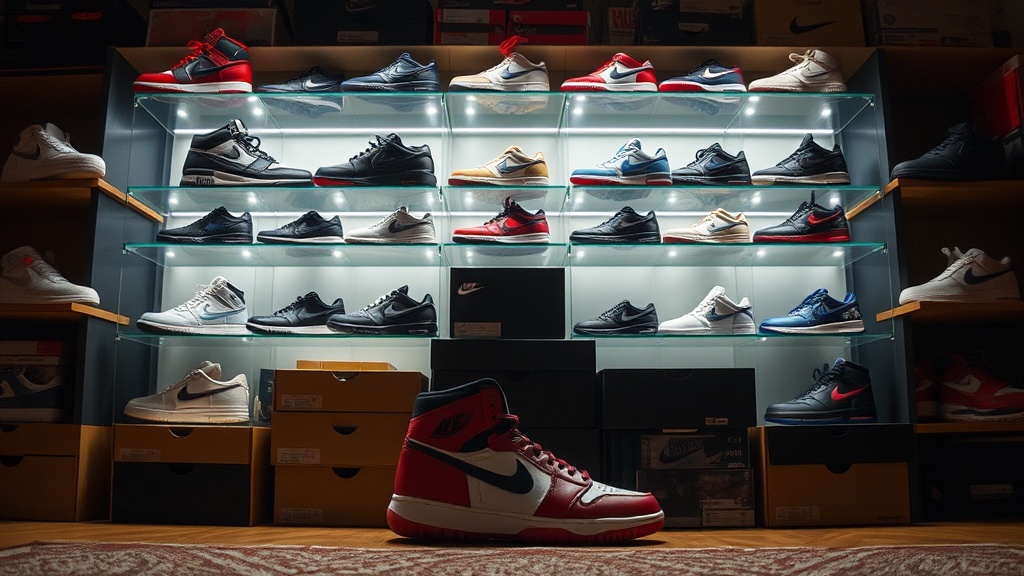
High-end collectors commission custom cabinetry. Glass-fronted cases with LED strips, climate control, and individual shelving for each pair. Companies like Sneaker Throne and Sole Stacks sell modular systems starting around $200 that grow with collections.
Here's a comparison of the three main approaches:
| Display Type | Cost Per Pair | Protection Level | Best For |
|---|---|---|---|
| Drop-Front Clear Boxes | $8-12 | High (dust, light, handling) | Grails, deadstock, investment pieces |
| Open Racks/Shelves | $2-5 | Low (accessibility only) | Rotation pairs, beaters, daily wears |
| Custom Built-Ins | $50-200+ | Maximum | Showrooms, high-value collections |
Do You Really Need Shoe Trees, and Which Ones Actually Work?
Yes. Cedar shoe trees prevent creasing, absorb moisture, and help sneakers retain their shape during storage. Plastic trees work in a pinch. Cedar is better. Cheap spring-loaded tubes? They do more harm than good.
The Woodlore Adjustable Cedar Shoe Tree ($20-25) represents the sweet spot for most collections. Cedar naturally wicks moisture (bacteria control) and smells pleasant. The split-toe design fills the toe box properly, preventing the dreaded crease that drops resale value by 30% or more.
For smaller sizes or women's releases, Stratton Cedar Shoe Trees offer adjustable widths that actually stay put. The key measurement: your sneaker's interior length. Size down if between sizes—a tree that's too long stresses heel counters and can deform shape over months.
That said, some sneakers don't play nice with traditional trees. Foamposite shells, for example, need careful sizing to avoid stretching the molded upper. Yeezy 350s with their soft Primeknit can handle lighter, plastic trees without distortion. Use judgment. A $200 investment in proper trees protects thousands in sneaker value.
How Do You Keep White Sneakers From Yellowing Over Time?
Prevention beats restoration every time. Once white midsoles or uppers yellow, reversal requires risky chemicals (40-volume cream, UV exposure, potential separation) that most collectors regret attempting.
Several strategies work:
- Wear rotation: Don't beat the same pair into the ground. Rotation allows foams to decompress and materials to dry between wears.
- Post-wear care: Wipe down immediately with Jason Markk wipes or a damp microfiber. Address stains before they set.
- Crease prevention: Trees matter here too. Creases collect dirt and oils that accelerate material breakdown.
- Storage environment: Temperature stability prevents the oxidation that yellows rubber and foam.
For soles already showing early yellowing, some collectors use Sole Bright or 40 Volume Cream with UV exposure (ice method). The catch? These treatments can weaken glue bonds, cause sole separation, and permanently alter texture. Most serious collectors skip restoration and focus on prevention for the next pair.
What's the Right Way to Store Sneakers in Their Original Boxes?
OG boxes add value and deserve preservation too. Store them flat, not folded, in a dry location. Replace damaged boxes with aftermarket reproductions for display while keeping the originals stored separately.
Box condition affects resale significantly. A deadstock pair with a crushed, water-damaged box sells for 15-25% less than the same shoe with pristine packaging. Some collectors use Box Protectors (clear plastic sleeves, roughly $1-2 each) for high-value releases. Others store boxes inside larger plastic bins for double protection.
Labeling matters as collections grow. Masking tape and Sharpie work. So do printed labels showing size, colorway, release date, and current market value. Some collectors photograph each pair and attach the photo to the box exterior—visual inventory without opening anything.
Bonus: The Display Details That Separate Amateurs From Pros
Lighting transforms storage into display. Philips Hue Lightstrip ($80-90) behind shelving creates ambient glow. Individual LED Puck Lights ($15-20 for a set) inside clear boxes make colors pop. Avoid heat-generating halogens; LEDs run cool and won't damage materials.
Documentation completes the setup. Apps like StockX Portfolio or Collectr track purchase prices, current values, and condition notes. Some collectors maintain physical logs. Others photograph each acquisition with dated receipts. Insurance companies appreciate thorough documentation if disaster strikes.
Community matters too. r/Sneakers and local groups (the Bay Area has several active Discord communities) share storage hacks, group buy opportunities on boxes, and warnings about products that failed. The collective knowledge beats guessing alone.
Ultimately, sneaker storage isn't about impressing visitors with a showroom (though that's nice). It's about protecting value, preserving history, and respecting the craftsmanship that goes into each pair. Whether rocking Union Jordan 1s or beat-up Air Force 1s, the care given reflects the care taken.
Steps
- 1
Choose the Right Storage Containers for Your Sneakers
- 2
Set Up a Climate-Controlled Display Environment
- 3
Arrange and Rotate Your Collection for Maximum Impact