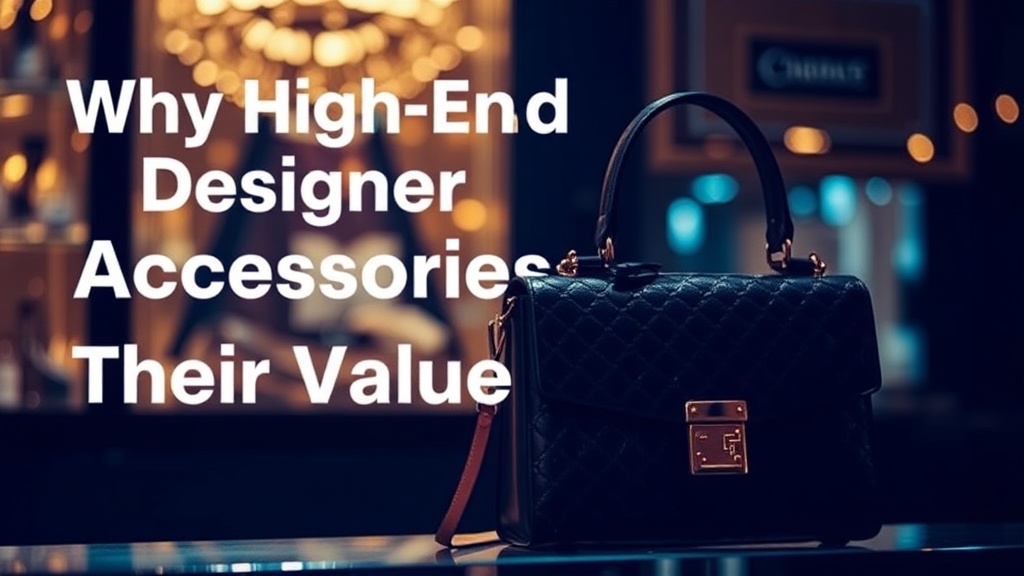
Why High-End Designer Accessories Hold Their Value

The Case of the Pristine Hermès Oran Sandal
Imagine walking into a high-end boutique in Paris. You see the same Hermès Oran sandal that was released years ago, yet it looks virtually untouched by time. It hasn't just survived; it looks as if it just left the workshop. This isn't a fluke—it's the result of specific material choices and construction methods that collectors look for. When you're buying into the world of fashion collectibles, you aren't just paying for a logo. You're paying for a piece of history that is designed to withstand the test of time, provided you know what to look for.
Collectors often obsess over sneakers, but the world of high-end accessories—leather goods, watches, and luxury hardware—operates on a different set of rules. Understanding why certain pieces stay expensive while others plummet in value is the difference between a smart investment and a heavy loss. We're looking at the intersection of craftsmanship, rarity, and market demand.
What Makes a Luxury Accessory a Good Investment?
It comes down to three main pillars: material quality, brand heritage, and limited production. A piece made from top-tier leathers like Togo or Epsom will naturally hold its shape and color better than cheaper alternatives. If you want to track the actual market trends for luxury goods, checking the data on sites like Rebag can show you how certain brands maintain their resale value over time.
Beyond materials, the brand's ability to control supply is a massive factor. If everyone can buy a specific bag, it becomes a common item rather than a collectible. True collectors look for pieces that are difficult to source. This scarcity creates a psychological pull that keeps prices high even when the initial hype dies down. It's the same reason a limited drop of a designer collaboration can sell out in seconds and then trade for double on the secondary market.
- Leather Type: Full-grain and exotic leathers tend to age with a patina that collectors actually value.
- Hardware Integrity: Gold-plated or high-grade brass hardware stays shiny and resists tarnishing.
- Brand Scarcity: Brands that limit production are much more likely to see price appreciation.
How Do I Verify the Authenticity of Designer Goods?
Authenticity is the biggest hurdle for any collector. A single mistake can turn a valuable asset into a worthless piece of leather. You can't just trust a grainy photo on a resale app. You need to look at the stitching—it should be perfectly even, with no loose threads or uneven spacing. High-end brands use specialized machines that create a level of precision a standard sewing machine can't match.
Another way to check is through the weight and feel of the hardware. Genuine luxury hardware has a certain heft to it. If a bag feels light or the metal feels "plasticky," you're looking at a fake. For deeper research into identifying counterfeit-grade details, enthusiasts often turn to resources like the The RealReal authentication standards. Always check the serial numbers and the way the branding is embossed into the material. If the font looks slightly off or the depth of the engraving is inconsistent, walk away.
Is It Better to Buy Vintage or New Collections?
This is a constant debate in the community. Buying from a current collection ensures you're getting the latest design language, but buying vintage often means you're getting better construction. In the 90s and early 2000s, many luxury houses used even more heavy-duty leathers that have since been replaced by lighter, more "fashion-forward" materials. If you want durability, go vintage.
However, vintage pieces often come with more "wear and tear" that can be hard to fix. A vintage designer piece might have structural issues that aren't immediately obvious. On the other hand, current pieces are easier to source through official channels, which provides a certain level of peace of mind. You have to decide if you want the prestige of a classic piece or the pristine condition of a modern one.
| Feature | Vintage Designer Goods | Modern Designer Goods |
|---|---|---|
| Durability | Often higher due to heavier leather use | Focus is more on lightweight aesthetics |
| Availability | Harder to find, requires hunting | Easier to find via official boutiques |
| Price Trend | Can be more stable/appreciating | Highly volatile based on current trends |
Whether you are looking for a classic bag or a limited-edition accessory, remember that the "collectible" status is often a result of the item's ability to exist outside of a single season. A piece that is tied too closely to a specific trend will lose its value once that trend passes. Look for the classics—the items that look as good today as they did twenty years ago.
One thing to watch out for is the "hype cycle." While buying into a hype cycle can yield quick wins, it's a risky way to build a collection. The most successful collectors are the ones who buy based on the intrinsic value of the item—the leather, the craftsmanship, and the brand's long-term trajectory—rather than just what's trending on social media right now. If the quality isn't there, the hype won't save the resale value in the long run.