The Real Playbook for Building a Sneaker Collection That Actually Holds Value

Most people get into sneakers thinking it’s about hype. It isn’t. Hype is noise. Value is strategy. If you’ve ever looked at your collection and realized half of it wouldn’t move if you needed cash fast, you already understand the gap between buying sneakers and collecting them.
This is the playbook I wish more people followed — not just to flex, but to build a collection that actually holds weight over time.
Stop Buying Everything That Drops
The biggest mistake new collectors make is thinking volume equals value. It doesn’t. A stack of mid-tier releases will never outperform a small rotation of carefully chosen pairs.
Every purchase should answer one question: why will this matter in 2–5 years?
If your answer is “because it sold out,” that’s not enough. Sellouts are temporary. Cultural relevance is not.
Look at the pairs that consistently hold value — they’re tied to moments, stories, or shifts in design. Random GR releases rarely make that cut.
Understand the Three Types of Value
Not all sneakers appreciate the same way. If you don’t understand this, you’ll keep missing.
1. Cultural Value
This is the big one. Shoes tied to moments — collaborations, athlete milestones, or design breakthroughs — tend to age well.
Think about releases that shifted conversation. Those don’t fade easily.
2. Scarcity Value
Limited pairs matter, but only when demand stays alive. A rare sneaker nobody wants is just expensive clutter.
3. Wearability
This is underrated. If people actually want to wear the shoe, it stays relevant. If it’s too loud, too fragile, or too awkward — it dies off.
The sweet spot is where all three overlap.
Condition Is Everything (Even If You Wear Your Pairs)
You don’t need to keep everything deadstock. But you do need to respect condition.
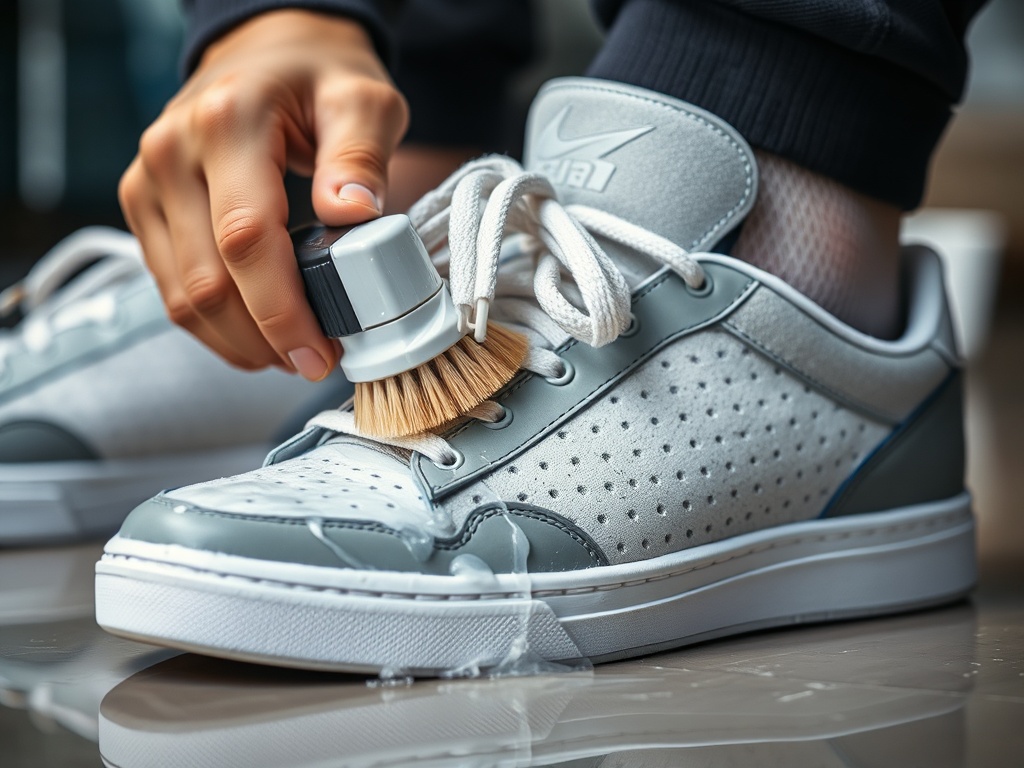
Creases, yellowing, and sole separation kill value faster than anything else. If you wear your sneakers, rotate them. Store them properly. Clean them before damage sets in.
A lightly worn, well-maintained pair will always outperform a beat pair — even if both are technically “used.”
Collectors don’t just buy shoes. They buy condition.
Boxes, Accessories, and Provenance Matter More Than You Think
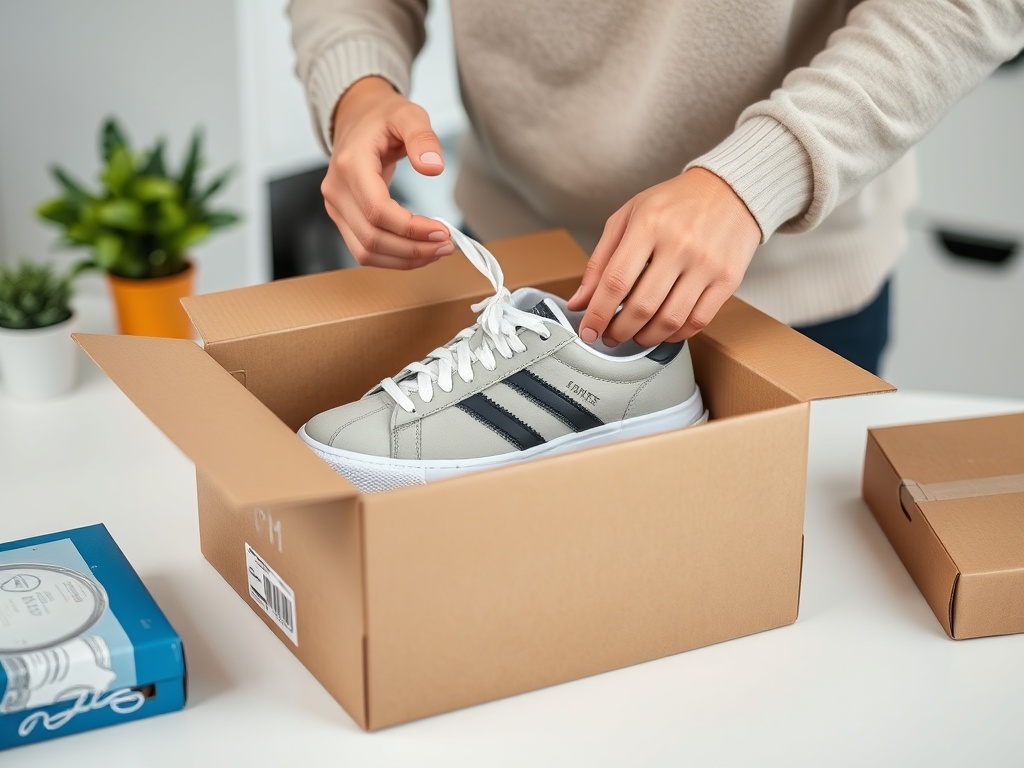
Throwing away boxes is one of the easiest ways to lose money without realizing it.
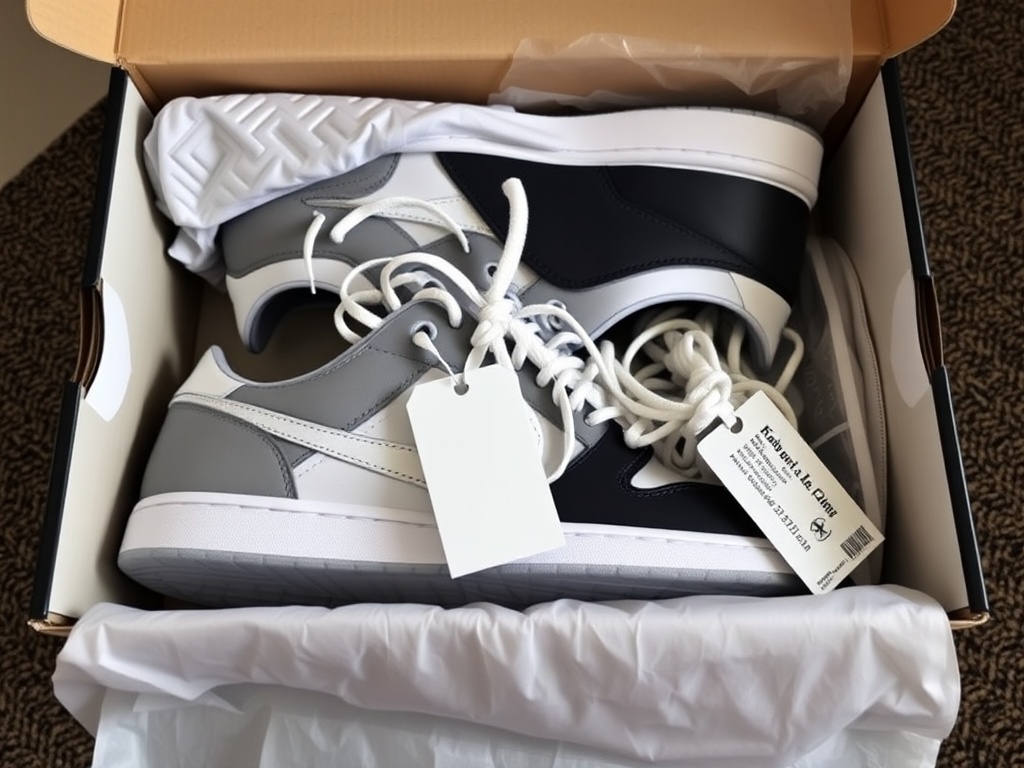
Original packaging, extra laces, receipts — these aren’t extras. They’re part of the product.
When it’s time to sell, a complete set builds trust instantly. It tells the buyer this pair has been taken seriously.
Missing box? Expect a noticeable hit on value.
Timing the Market (Without Acting Like a Trader)
You don’t need to sit on resale apps all day, but you should understand timing.
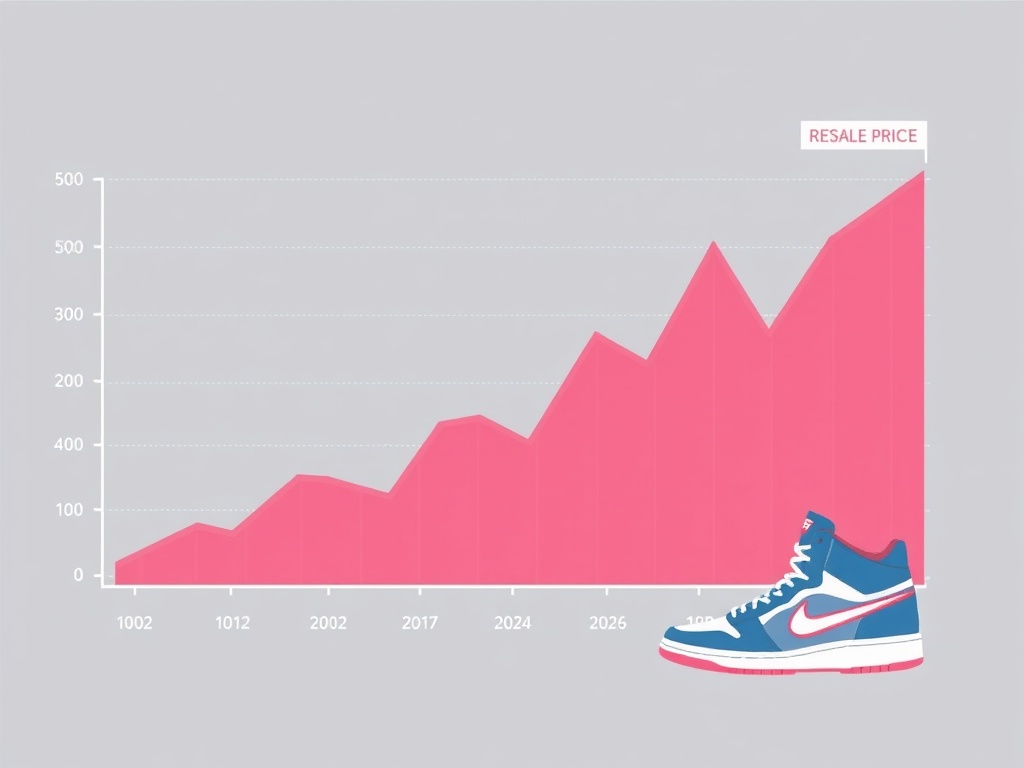
Most sneakers follow a predictable cycle:
- Release hype spike
- Post-release dip
- Long-term stabilization (or decline)
The best collectors don’t chase the spike. They buy during the dip or hold through it.
If you’re always buying at peak hype, you’re just funding someone else’s profit.
Build a Collection With a Point of View
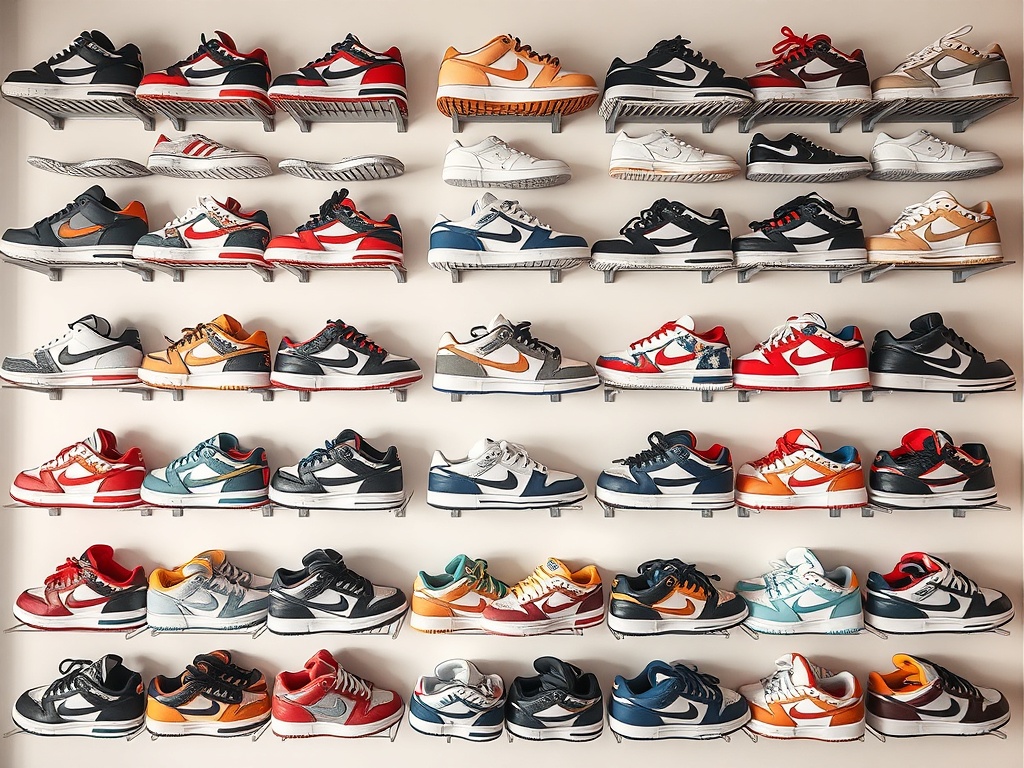
The strongest collections aren’t random. They feel intentional.
Maybe you focus on a specific era. Maybe it’s a single brand. Maybe it’s collaborations that pushed design forward.
Whatever it is, there should be a thread connecting your pairs.
When your collection has a point of view, it becomes more than inventory — it becomes identity. And that matters when buyers or other collectors take interest.
Know When to Let Pairs Go
Holding forever isn’t always the move.
If a pair has peaked and the cultural conversation has moved on, it might be time to sell. That doesn’t mean panic-selling — it means being honest about where the sneaker sits now versus where it’s going.
Great collectors cycle their collection. They upgrade. They refine. They don’t just hoard.
Every pair you sell should move you closer to a sharper collection.
The Bottom Line
A valuable sneaker collection isn’t built overnight, and it’s definitely not built by accident.
It’s built through restraint, awareness, and a willingness to think beyond the next drop.
If you start treating your collection like a long-term asset instead of a short-term flex, everything changes — what you buy, what you keep, and what your collection becomes over time.
That’s the difference between someone who owns sneakers and someone who actually collects them.