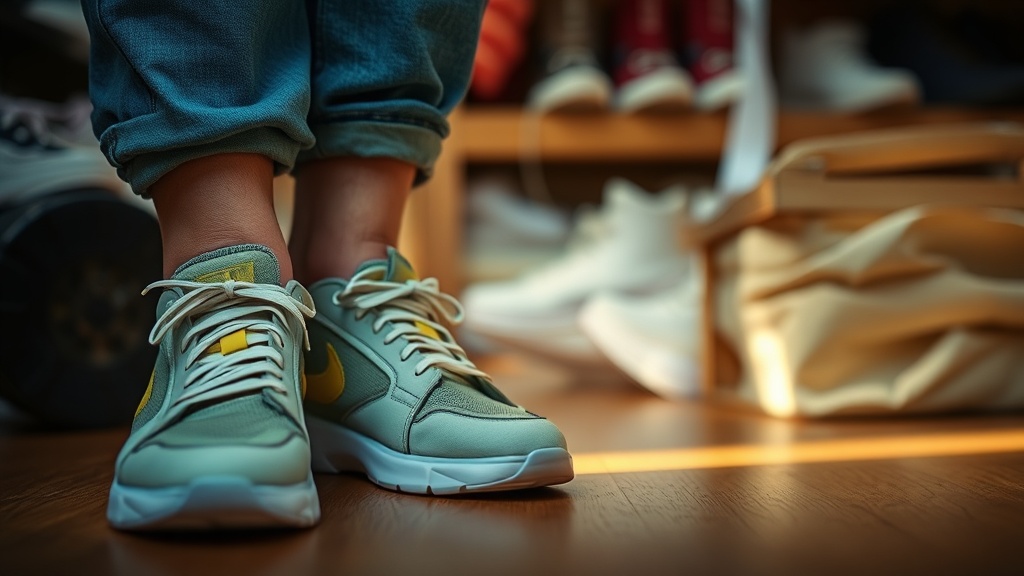
Stop Yellowing Your Soles with Proper Storage

Quick Tip
Keep your sneakers away from direct sunlight and heat to prevent oxidation and yellowing.
A single, stray beam of afternoon sunlight hits a translucent outsol of a pair of Air Jordan 1 Retro Highs. Within months, that crisp, white rubber turns a sickly, bruised shade of yellow. This happens because of oxidation—a chemical reaction between oxygen and the materials used in sneaker midsoles. If you want to keep your collection looking deadstock, you need to control your environment.
How Do I Prevent Sneaker Yellowing?
The best way to prevent yellowing is to store your sneakers in a cool, dark, and airtight environment. Heat and light are the primary enemies of polyurethane and rubber midsoles. If you leave your heat-treated pairs near a window or a radiator, you're basically fast-tracking the aging process.
I've seen collectors lose entire grails because they left them out on open shelving in a bright room. It's a mistake you can avoid with a few simple habits. Most high-end collectors use UV-protected display cases or specialized storage boxes to keep the light out.
To keep your collection in top shape, follow this hierarchy of storage quality:
- The Gold Standard: Airtight, UV-protected acrylic boxes kept in a climate-controlled room.
- The Reliable Method: Original shoe boxes tucked away in a dark closet.
- The Risky Method: Open-air display on shelves (this invites dust and light exposure).
If you're already dealing with a messy rotation, you might want to keep your sneaker boxes organized and dust free to maintain a cleaner look.
Does Humidity Affect Sneaker Longevity?
High humidity levels can lead to material degradation and even mold growth inside the shoe. While dry air is better for the rubber, you don't want the air so dry that the leather begins to crack. Aim for a consistent humidity level—ideally around 40% to 50%—to maintain the structural integrity of your collection.
You can check the specific chemical makeup of your midsoles via Wikipedia's entry on Polyurethane to understand why they react to the elements this way. Most modern sneakers, from Nike Dunks to Yeezys, rely on these materials for that bouncy feel, but they are highly sensitive to the atmosphere.
What Are the Best Storage Materials?
Avoid cheap plastic bins that might off-gas chemicals, as these fumes can actually accelerate the aging of your sneakers. Stick to high-quality, acid-free materials. If you are worried about the shape of your sneakers during storage, remember to keep your crease-free collection looking fresh by using shoe trees.
| Storage Factor | Ideal Condition | Avoid This |
|---|---|---|
| Light | Total Darkness | Direct Sunlight/UV |
| Temperature | Cool (60-70°F) | Heat/Radiators |
| Airflow | Controlled/Airtight | High Humidity |
Don't let a little bit of sunlight ruin a five-figure investment. Protect your soles now, or pay the price later when they look aged and unwearable.