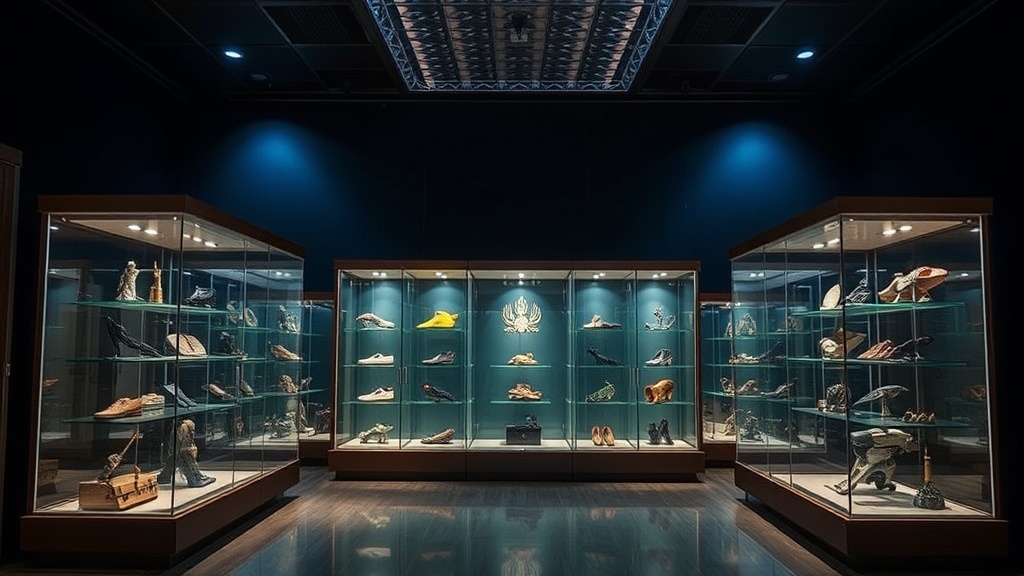
Selecting the Best Display Cases for Your Collection

What Makes a High-End Display Case Worth the Investment?
Have you ever looked at a pristine pair of deadstock grails and felt a sudden pang of anxiety about where they'll live once they leave the box? It's a common worry. A display case isn't just about showing off your heat; it's about creating a controlled environment that prevents the slow decay of materials. When we talk about high-end displays, we're looking at more than just clear plastic. We're looking at UV protection, structural integrity, and aesthetics. If you're spending hundreds—or even thousands—on a single pair, a flimsy, unsealed bin won't cut it. You need something that acts as a barrier against the elements while keeping your sneakers looking like they just stepped out of the factory.
The first thing to consider is the material. Acrylic is the gold standard for most serious collectors. It's much clearer than standard polycarbonate and offers better clarity for those long-distance viewing angles. However, the quality of the edges and the thickness of the sheets matter more than people realize. A thin sheet of acrylic might look fine in a photo, but it'll bow and warp over time if it's not thick enough to support its own weight. This is where many budget-friendly options fail—they look good for a month, then start to sag under the weight of the collection.
How Do I Protect My Sneakers from UV Rays?
One of the most overlooked aspects of display culture is light damage. Sunlight is a silent killer for collectible fashion. Even indirect sunlight carries enough UV radiation to cause discoloration in leather and, more importantly, to turn white midsoles yellow. If you aren't using a case that offers UV-resistant properties, you're basically setting a timer on your collection's lifespan. Many high-end display manufacturers specialize in UV-filtering acrylic, which acts as a shield. You can learn more about how light affects material aging through studies on material science and degradation, though you don't need a PhD to understand that light equals damage.
When browsing options, look for cases that explicitly mention UV-resistant coatings. It’s a small detail that makes a massive difference. If your display sits near a window, even with the blinds drawn, that subtle light leakage will eventually win. It’s not just about the color of the shoe—it's about the integrity of the adhesives and the synthetic materials that hold the silhouette together. A good case keeps the light out and keeps the focus on the design.
Should I Use Individual Boxes or Large Display Cabinets?
This is the eternal debate in the community: the individual drop-front box versus the massive custom cabinet. There's no single right answer, but there is a logical way to decide. Individual boxes (often called drop-fronts) are great for modularity. If you want to reorganize your shelf or move a specific pair to a different room, it's easy. They allow for a highly customizable-looking shelf, but they can also look a bit cluttered if the heights aren't uniform.
- Individual Drop-Fronts: Best for collectors who frequently rotate their rotation or want a modular, tiered look.
- Large Display Cabinets: Best for a permanent, museum-style presentation where you want to control the internal lighting and airflow.
- Custom Acrylic Cases: The top-tier option for single, extremely high-value pairs that need a dedicated stage.
If you're building a large-scale collection, a cabinet offers a more unified look. It also allows you to control the internal environment more effectively. You can install small fans or even specialized dehumidifiers inside a larger cabinet to maintain a constant state. For a deep dive into how professional-grade storage works, checking out technical specifications from architectural design and display standards can give you an idea of how professional galleries manage their collections.
Is Airflow a Problem Inside a Sealed Case?
A common mistake is thinking that a perfectly airtight seal is always a good thing. While you want to keep dust out, you don't want to trap moisture or off-gassing gases inside. If a sneaker is made of certain synthetic materials, it can release small amounts of gases as it ages. In a completely unventilated, small space, these gases can become concentrated and potentially affect the material. This is why some collectors prefer cases with small, discrete ventilation points.
The goal is a balance. You want enough airflow to prevent moisture buildup—which leads to mold and crumbling soles—but enough of a seal to keep the dust at bay. If you're using LED lights inside your display, keep an eye on the heat they generate. Even low-heat LEDs can raise the internal temperature of a small, enclosed case over several hours. This heat can accelerate the aging of the glue, leading to the dreaded sole separation. Always test your lighting setup for a few hours before committing it to your most prized pairs.
| Display Type | Best For | Pros | Cons |
|---|---|---|---|
| Acrylic Drop-Fronts | Mid-range collections | Modular, easy to stack | Can look cluttered |
| Large Glass Cabinets | Large-scale displays | Professional look, high volume | Harder to move, expensive |
| Single Sneaker Cases | One-of-one grails | Maximum protection, looks premium | No versatility |
Ultimately, your choice should depend on how you interact with your collection. Do you want to grab a pair every morning to wear, or is this a static museum piece? If you're a frequent wearer, the modularity of drop-fronts is your friend. If you're a pure collector, the stability of a large cabinet is the way to go. Just remember: the case is the protector, not just the decoration. Don't settle for something that looks good but fails the functional test.