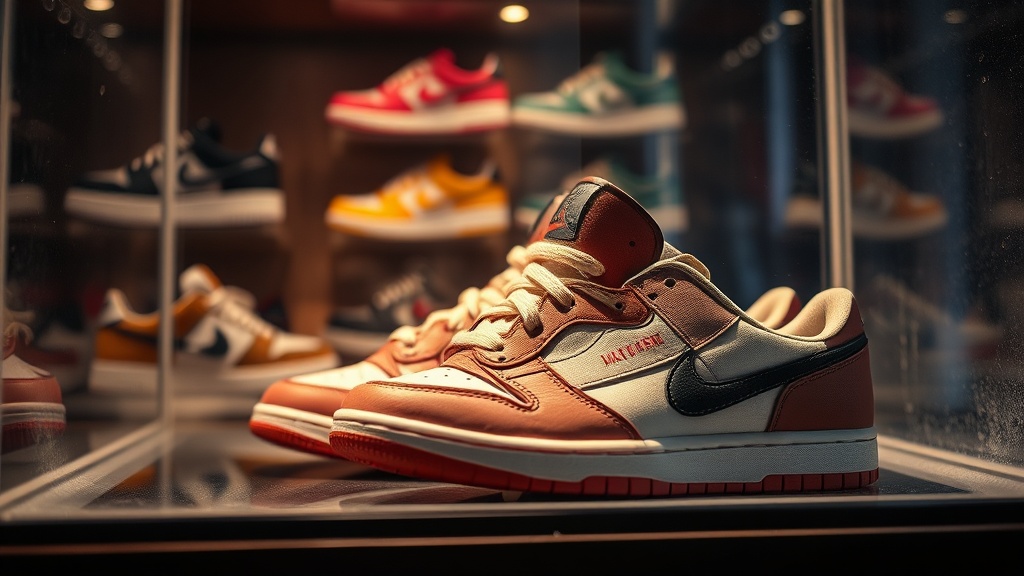
Protecting Your High-End Sneaker Display from Dust and Humidity

What You Need to Know About Protecting Your Sneaker Collection
This post covers the technical side of maintaining a high-end sneaker display, specifically focusing on how to manage dust accumulation and humidity levels to ensure your grails stay in mint condition. Whether you own a single glass case or a wall of acrylic boxes, understanding environmental control is the difference between a collection that looks fresh and one that looks aged. We'll look at the specific methods collectors use to keep their inventory pristine.
Dust isn't just an aesthetic problem; it's a chemical one. When dust settles on a pair of sneakers—especially those with premium suede or specialized fabrics—it can act as an abrasive. If you don't manage it, that fine layer of particles can become embedded in the texture of the material. This is why many collectors move away from open shelving and toward enclosed systems. If you're serious about your collection, you can't just hope the air stays clean; you have to make it happen.
How Do I Prevent Dust from Ruining My Sneakers?
The most effective way to fight dust is through physical barriers. If you're displaying sneakers on open shelves, you're inviting a constant battle. Acrylic display boxes are the gold standard here because they create a micro-environment for each pair. However, even with boxes, you need to be careful about what you put inside them.
- Seal the gaps: Ensure your display cases have tight-fitting lids or magnetic closures.
- Use Microfiber: Never use a paper towel to wipe down a display case—you'll leave scratches. Stick to high-quality microfiber cloths.
- Air Filtration: If you have a large-scale room dedicated to your collection, a high-quality HEPA air purifier can significantly reduce the amount of airborne particulates in the room.
A common mistake is thinking that a closed box is enough. If you put a pair of sneakers in a box with a lot of loose lint or debris inside, you're just trapping the mess. Always clean the interior of the box before placing the sneakers inside. It's a small step, but it keeps your display looking professional and prevents unnecessary contact between the shoe and the plastic.
Does Humidity Affect Sneaker Longevity?
Humidity is the silent killer of high-end collectibles. For sneakers, the danger comes from two directions: too much moisture and too little moisture. If your display area is too humid, you risk the breakdown of adhesives (glue) and the development of mold or mildew on leather and fabric. If it's too dry, certain materials like premium leather can crack or become brittle over time.
According to the technical standards for environmental control, maintaining a stable relative humidity (RH) is vital for any sensitive material. For most sneaker collectors, the sweet spot is between 40% and 50% RH. If you live in a damp area like Oakland or a coastal city, you might need a dedicated dehumidifier in your display room. This isn't just about the shoes; it's about protecting the integrity of the entire display structure, including any wooden or metal shelving you've invested in.
| Humidity Level | Effect on Sneakers | Recommended Action |
|---|---|---|
| Above 60% | Glue breakdown, mold risk, leather swelling | Run a dehumidifier |
| 40% - 50% | Optimal stability | Maintain current levels |
| Below 30% | Leather cracking, material brittleness | Use a humidifier |
If you're using electronic displays or LED lighting, be aware that heat can also impact your humidity levels. A lot of heat in a small, enclosed space can actually drive out moisture or, conversely, create condensation if the temperature drops rapidly. Always monitor your display area with a digital hygrometer. It's a cheap tool that provides much-needed data to prevent expensive mistakes.
How Can I Maintain the Perfect Display Environment?
Maintaining a collection is a constant process, not a one-time setup. You'll want to create a routine that involves checking your environmental sensors once a week. Don't just look at the shoes; look at the air. If you notice any signs of moisture on the inside of your acrylic cases, you have a problem that needs immediate attention.
One way to monitor the health of your collection is to check the sources of high-quality material science, such as the preservation guidelines used by many institutions. While we aren't museums, the principles of controlling light, temperature, and humidity remain the same. If you're investing heavily in a collection, treat it with that level of respect.
When you're actually cleaning your display, avoid using harsh chemical sprays. These can react with the plastic of the cases or the materials of the shoes. Instead, use a slightly damp cloth and let it air dry. This minimizes the risk of introducing too much moisture into the environment. Remember, a clean display is a reflection of the collector's discipline. If your shoes look dusty or your cases look cloudy, it's time to re-evaluate your storage strategy.
Consistency is your best friend. You won't see the damage from a high-humidity spike or a dust buildup immediately, but it will show up in the long-term value and condition of your pieces. Treat your display like a controlled environment, and your grails will stay as fresh as the day you unboxed them.