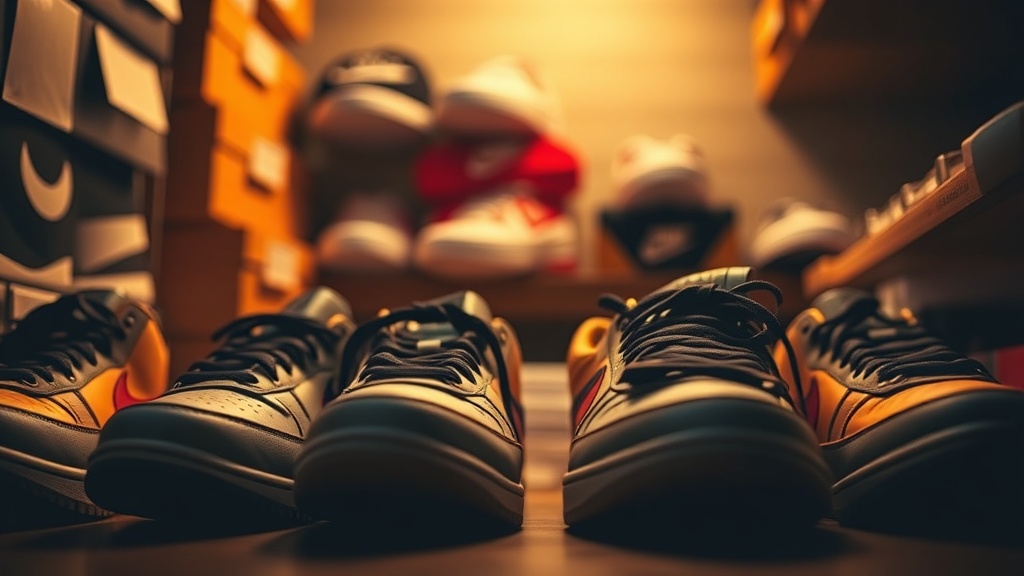
Keep Your Kicks Fresh: key Storage Tips for Sneaker Collectors

Quick Tip
Always store sneakers in a cool, dry place away from direct sunlight and use silica gel packets to control moisture.
Proper storage keeps sneakers looking crisp and protects resale value over time. This guide covers the best methods for organizing a collection—whether you're sitting on ten pairs or five hundred. Skip the guesswork and learn what actually works from collectors who've learned the hard way.
What's the Best Way to Store Sneakers Long-Term?
The best long-term storage combines climate control, proper support, and protection from light and dust. Heat and humidity are the enemy—sneakers left in garages or attics often end up with crumbling midsoles and yellowed uppers.
Climate-controlled spaces (think closets inside your home, not the basement) maintain temperatures between 60–75°F with low humidity. Here's the thing: even a $200 pair of Nike Air Jordan 1s can degrade fast if stored poorly. UV light fades colorways, and trapped moisture breeds mold inside the toe box.
For serious collectors, Drop-Front Shoe Boxes from The Container Store remain the gold standard. They stack cleanly, let you see what you've got, and keep dust out. Each box runs about $8–$10—cheap insurance for pairs worth hundreds (or thousands).
Should You Keep Sneakers in Their Original Boxes?
Yes—original boxes add resale value and provide better protection than generic alternatives. Buyers on StockX and GOAT pay premiums for "deadstock" pairs with intact packaging.
That said, original cardboard has limits. It doesn't block UV light, and it won't save sneakers from floods or spills. Many collectors use original boxes inside plastic storage bins for maximum protection. Worth noting: stack boxes no more than four high—any more and you're risking crushed corners.
| Storage Method | Best For | Cost per Pair | Pros | Cons |
|---|---|---|---|---|
| Original Box Only | Budget collectors, short-term | Free | Authentic, maintains value | No visibility, no stackability |
| Drop-Front Plastic Boxes | Display collections | $8–$12 | Stackable, visible, dust-proof | Takes up more space |
| Clear Plastic Bins | Seasonal rotation, bulk storage | $3–$5 | Cheap, protects from moisture | Hard to identify pairs quickly |
| Climate-Controlled Storage Unit | Large collections, investment pairs | $50–$200/month | Professional-grade protection | Expensive, less accessible |
How Do You Prevent Sneaker Yellowing and Creasing?
Yellowing comes from oxidation—keep sneakers away from heat and direct sunlight. Creasing happens when shoes are worn (obviously) but also when they're stored without support inside the toe box.
The catch? Some yellowing is inevitable. Even "deadstock" pairs from 2015 show age. But you can slow it down:
- Use shoe trees. Cedar ones from Woodlore absorb moisture and maintain shape. Plastic trees work fine too—just avoid overstuffing, which can stretch the upper.
- Store in darkness. UV rays accelerate sole yellowing. If you're displaying kicks, keep them away from windows or use UV-filtering glass.
- Rotate silica gel packs. Toss fresh packs into boxes every six months. You can buy them in bulk—way cheaper than replacing mold-damaged suede.
For high-value pairs (think Off-White collaborations or original 1985 Jordan 1s), consider vacuum-sealed bags with oxygen absorbers. It's overkill for daily beaters, but for a $3,000 investment? Small price to pay.
Finn's been collecting out of Oakland for fifteen years—seen too many collections ruined by careless storage. Start with what you've got, upgrade as your collection grows, and remember: these aren't just shoes. They're assets. Treat them like it.