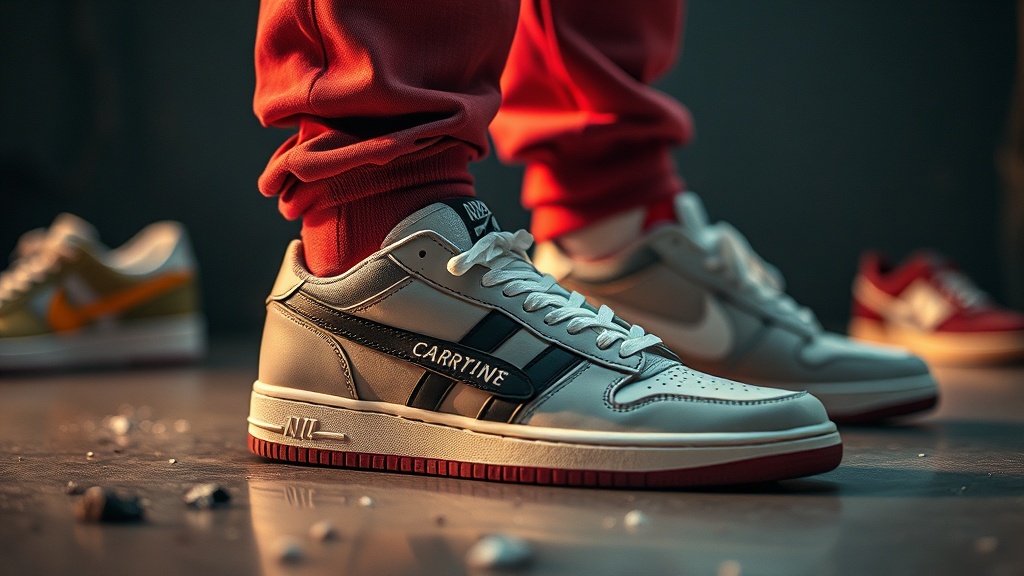
Keep Your High-End Sneaker Collection From Crumbling

Preserving the Integrity of Your Investment
Did you know that certain types of polyurethane-based midsoles can begin to chemically degrade in as little as five years if stored in sub-optimal conditions? This isn't just about a little bit of dust; it's about the actual structural integrity of the footwear you consider a piece of art. When we talk about collecting, we aren't just talking about a hobby—we are talking about preserving assets. If you've spent hundreds or even thousands on a pair of vintage grails, you need to understand that the environment can be your biggest enemy. This guide covers the specific environmental variables that destroy high-end sneakers and how to combat them before your collection turns into a pile of crumbling rubber.
Most people think a closet is enough. It isn't. A closet is a graveyard for high-end sneakers if you aren't careful. Humidity, temperature fluctuations, and light exposure all play a part in the slow decay of even the most well-kept pairs. You aren't just fighting stains; you're fighting chemistry. If you're serious about your collection, you need to treat your storage space with the same respect a museum treats its exhibits.
How Much Humidity Is Too Much for Sneakers?
Humidity is the silent killer of sneaker collections. High humidity leads to mold, mildew, and the breakdown of organic materials like leather and suede. On the flip-scale, extremely low humidity can cause materials to dry out and crack. The sweet spot for most collectors is between 40% and 50% relative humidity. If your storage area is damp, you're inviting a biological disaster.
To manage this, you shouldn't just rely on luck. Using a dedicated hygrometer—a device that measures humidity—is a smart move. If you find your room is too damp, consider using silica gel packets. These aren't just for shoe boxes; they are a staple for any serious collector. However, don't just throw them in and forget them. They eventually saturate and become useless. You need to check them regularly. If you want to see how different materials react to moisture, check out the technical specifications on ScienceDirect to understand the molecular behavior of polymers under stress.
Managing Temperature and Airflow
Heat is the enemy of the glue that holds your shoes together. Many high-end sneakers use heat-sensitive adhesives. If your storage area gets too warm—say, in an attic or near a heater—the glue can soften, causing the sole to separate from the upper. This is often called "sole separation," and once it happens, it's incredibly difficult to fix without professional intervention.
The ideal temperature for a collection is a stable, cool environment. Avoid any areas where the temperature swings wildly between day and night. Rapid temperature changes cause materials to expand and contract, which puts stress on the seams and the glue. A stable, climate-controlled room is your best bet. If you're storing your collection in a basement or a garage, be extremely cautious. These areas are notorious for temperature shifts that can ruin a pair of shoes in a single season.
Can You Store Sneakers in Acrylic Boxes?
Acrylic or plastic display boxes are popular because they look great and keep dust away, but they aren't a magic solution. In fact, if used incorrectly, they can actually trap heat and moisture. If you place a pair of shoes in a sealed plastic box in a warm room, you've essentially created a greenhouse. The heat builds up, and the moisture stays trapped inside, accelerating the degradation of the materials.
If you use display boxes, ensure they have some form of ventilation or that the environment they are in is already controlled. Many collectors also use specialized sneaker-safe display cases that allow for better air circulation. If you're buying high-end displays, look for those that are UV-resistant. UV rays are a massive factor in color fading and material breakdown. Even through a clear box, light can do damage over time.
A good rule of thumb is to never store your most valuable pairs in direct sunlight. Even if it's through a window, that UV exposure will eventually yellow the soles and fade the colors. You can find more information on how light affects various materials through resources like the American National Standards Institute, which often deals with material stability standards.
The Importance of Proper Support
Physical shape is another factor. If you store your sneakers in a way that puts pressure on the toe box or the heel, you can cause permanent creasing or even structural failure. This is especially true for high-top sneakers or those with soft leather-like materials. Using shoe trees—specifically those designed for sneakers—can help maintain the shape of the shoe while it's in storage.
While shoe trees are often associated with formal footwear, they are incredibly useful for keeping the silhouette of a sneaker intact. This prevents the toe box from collapsing and keeps the heel from losing its shape. It's a small step, but it makes a massive difference in the long-term aesthetic value of the item. A crushed toe box isn't just an aesthetic issue; it's a permanent way to lower the value of a collectible.
| Factor | Ideal Setting | Risk of Neglect |
|---|---|---|
| Humidity | 40% - 50% | Mold, Mildew, Material Rot |
| Temperature | 60°F - 70°F | Glue Failure, Sole Separation |
| Light Exposure | Dark / UV Filtered | Color Fading, Yellowing |
| Airflow | Circulated | Trapped Moisture, Odor |
Maintaining a collection is a constant battle against the elements. It requires attention to detail and a bit of foresight. You can't just set a pair of shoes down and expect them to look the same in five years. You have to actively manage the environment. Whether it's checking your hygrometer, rotating your display, or ensuring your temperature stays consistent, these small actions protect your investment. Your collection is a piece of history; treat it like one.