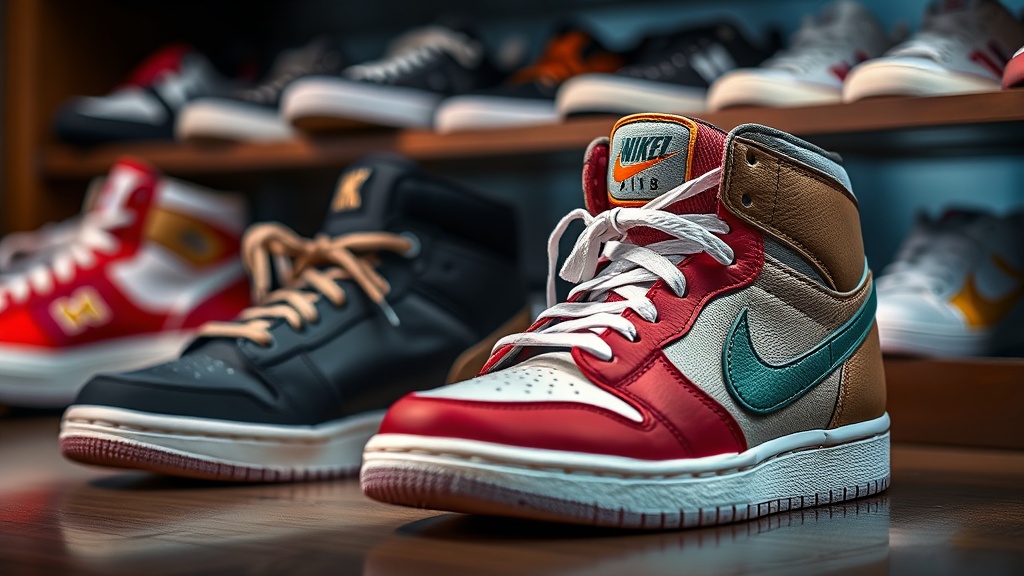
How to Properly Clean and Store Your Collectible Sneakers

Collectible sneakers represent a serious investment—some pairs appreciate hundreds of percent within months of release. This guide covers the complete preservation workflow: cleaning methods for different materials, storage solutions that prevent yellowing and degradation, and environmental controls that keep deadstock pairs in mint condition. Whether protecting a grail acquisition or maintaining rotation favorites, proper care extends sneaker lifespan by years and preserves resale value.
What's the Best Way to Clean Collectible Sneakers Without Damaging Them?
The best cleaning approach depends entirely on the upper material—what works for leather destroys suede, and mesh requires different handling than knit. Getting this wrong means irreversible damage to limited editions that can't be replaced.
Leather and Synthetic Uppers
For smooth leather Nike Air Jordan 1s or Adidas Superstar shells, start with a soft-bristled brush—Jason Markk Premium Shoe Cleaner makes an excellent horsehair brush that lifts surface dirt without scratching. Mix a few drops of gentle solution (Reshoevn8r or Angelus Easy Cleaner work well) into warm water. Dampen—not soak—a microfiber cloth and work in circular motions. The key? Patience. Aggressive scrubbing strips finishes and cracks paint.
Midsole cleaning presents its own challenge. That creamy foam on New Balance 990s or vintage Air Max units yellows with oxidation. A paste of baking soda and hydrogen peroxide applied carefully (avoiding the upper material) can brighten rubber—but test on an inconspicuous area first. Some collectors swear by Reshoevn8r's Laundry System for deep cleans, though machine washing carries risks for glued construction.
Suede and Nubuck
Here's the thing—suede hates water. Period. The Nike Dunk Low "Panda" or any Travis Scott Jordan 1 Low in suede requires dry cleaning methods first. A suede eraser (like the ones from Angelus Direct) lifts scuffs through friction, not moisture. Follow with a brass-bristled suede brush, working in one direction to restore the nap.
Water spots on suede are panic-inducing—but fixable. Lightly dampen the entire panel (yes, really) with a clean sponge, then stuff with paper towels and air dry away from heat sources. The water evens out as it dries. Worth noting: suede protector sprays applied before first wear prevent 90% of staining headaches.
Knit and Mesh Materials
Primeknit, Flyknit, and engineered mesh—the materials dominating modern performance releases like Yeezy Boost 350s or Adidas Ultraboost—trap dirt deep in woven fibers. A soft brush and foaming cleaner work better than liquid solutions that oversaturate. Apply foam, let it sit two minutes, then brush gently. The foam lifts particulates without forcing water into the midsole (which weakens adhesives over time).
| Material | Primary Tool | Solution Type | Drying Method |
|---|---|---|---|
| Smooth Leather | Horsehair brush | Liquid cleaner + water | Air dry, stuffed |
| Suede/Nubuck | Suede eraser + brass brush | Dry methods preferred | Air dry only, no heat |
| Canvas | Medium bristle brush | Gentle detergent | Air dry, reshaped |
| Knit/Mesh | Soft brush | Foaming cleaner | Air dry, paper stuffed |
| Rubber Soles | Stiff brush | Mild soap or magic eraser | Towel dry |
How Should You Store Sneakers to Prevent Yellowing and Material Breakdown?
Storage makes or breaks long-term condition. Heat, humidity, and light exposure degrade materials faster than wear itself—making proper storage arguably more important than cleaning technique for investment-grade collectibles.
Box Storage vs. Display Methods
Deadstock collectors face a choice: keep sneakers in original boxes (space-efficient, stackable) or invest in clear display solutions. For pairs kept unworn, original boxes work fine—provided the environment is controlled. That said, cardboard absorbs moisture and can transfer acidity to midsoles over decades. Some collectors line boxes with acid-free tissue as a buffer.
Display cases—like the drop-front boxes from The Container Store or specialized sneaker storage from Crate Design—offer visibility and protection. The catch? They cost $10-15 per pair versus free with the shoe. For rotation pairs you wear monthly, drop-front boxes balance access with dust protection. Grails staying sealed? Consider vacuum-sealed bags inside boxes for maximum oxidation prevention.
Climate Control Essentials
Midsole yellowing—the bane of Air Jordan 3s and vintage foam—results from oxidation accelerated by heat and UV light. Ideal storage maintains 60-70°F with 40-50% humidity. Basements grow mold. Attics cook glue. Closets on exterior walls experience temperature swings that expand and contract materials, weakening bonds.
Silica gel packets (the small desiccants in shoeboxes) help, but they saturate quickly. Reusable dehumidifier canisters—DampRid makes affordable options—protect closet collections in humid climates. For serious collectors, mini dehumidifiers running constantly in dedicated storage rooms provide the most stable environment.
Shoe Trees and Stuffing
Creased toe boxes destroy resale value and structural integrity. Cedar shoe trees from Woodlore or Stratton absorb moisture and maintain shape in leather sneakers. The catch with foam midsoles? Rigid trees stress glued construction. For runners and modern cushioning systems, acid-free tissue paper stuffing or soft foam inserts (like Sneaker Shields or Force Fields) prevent creasing without forcing shape.
Boot shapers work well for high-top Jordan 1s or Nike Blazers. For low-profile vulcanized soles—Vans Vault releases, Converse 70s—simply stuffing with paper maintains the collar structure. Worth noting: newspaper ink transfers. Use unprinted newsprint or plain tissue.
How Often Should You Clean and Inspect Your Collection?
Frequency depends on wear patterns and storage duration. Worn pairs need attention after every 3-4 wears. Stored deadstock requires quarterly inspection for early degradation signs.
Rotation Pairs
Worn sneakers accumulate salt from perspiration even when they look clean. That salt crystallizes in stitching, accelerating thread rot. A quick wipe-down with a damp microfiber cloth after each wear prevents buildup. Deep cleaning (brushes, solutions, the full routine) becomes necessary when visible soiling appears—or monthly for frequently worn pairs.
Midsole inspection matters too. Small separations caught early can be reglued; ignored, they require full sole swaps that destroy authenticity value. Check stitching tension on high-wear areas—the ankle collar on Jordan 1s, the toe cap on Dunks. Loose threads addressed immediately prevent unraveling.
Deadstock and Long-Term Storage
Sealed pairs aren't "set it and forget it." Midsole rot—the crumbling of aged polyurethane—strikes 15-25 year old Jordans and vintage runners regardless of wear. The cause? Hydrolysis from moisture exposure over time. There's no cure once it starts.
Quarterly checks catch early signs: midsoles feeling tacky, slight color shifts, that telltale "off" smell. For pairs over a decade old, some collectors "wear" them briefly (a few hours indoors) to flex materials and redistribute plasticizers—though this remains controversial in the preservation community. The reality? All polyurethane midsoles degrade eventually. Proper storage merely slows the inevitable.
Protective Treatments and When to Apply Them
Pre-treatment before first wear saves massive cleaning effort later. Crep Protect spray creates a hydrophobic barrier on suedes and canvas, causing liquids to bead rather than absorb. Apply two thin coats 24 hours apart, allowing full curing between applications. Reapply every 4-6 weeks for frequently worn pairs.
Leather conditioners—Bickmore Bick 4 or Venetian Shoe Cream—nourish full-grain leather uppers on heritage models like Alden collaborations or premium New Balance Made in USA lines. That said, over-conditioning saturates leather, causing stretching and darkening. Twice yearly suffices for most rotation pairs.
"The difference between a $200 sneaker and a $2,000 grail is often just condition documentation and storage history. Collectors pay premiums for pairs with proven preservation pedigrees."
Documentation supports value retention too. Photograph condition before storage. Note climate conditions. Keep original accessories—extra laces, hang tags, shoe horns—stored separately to prevent scratching or ink transfer. Small habits compound into significant value protection over years.
The collectible sneaker market rewards preservation discipline. Pairs maintained in near-deadstock condition command multiples over worn equivalents. Cleaning correctly, storing thoughtfully, and inspecting regularly isn't obsessive—it's the baseline for protecting investment-grade footwear.
Steps
- 1
Prepare Your Sneakers and Gather Supplies
- 2
Clean the Upper, Midsole, and Outsole Properly
- 3
Dry and Store in a Climate-Controlled Environment