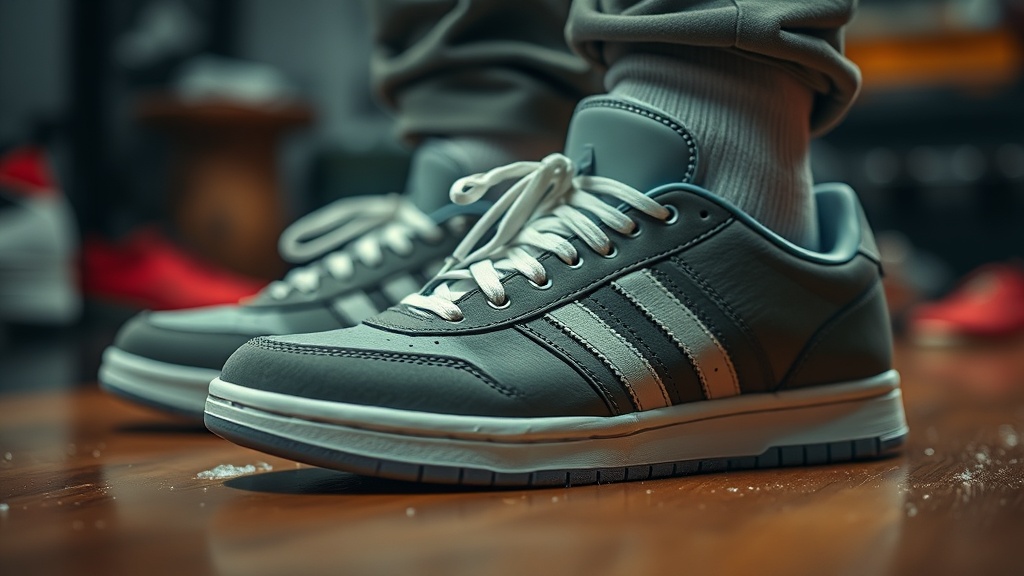
How to Clean and Restore Your Sneakers Like a Pro

This guide covers the complete process of cleaning, restoring, and preserving sneakers to maintain their value and appearance — whether you're preparing a grail for resale, keeping daily beaters fresh, or archiving a deadstock pair for the long haul. For collectors, condition directly impacts resale value, display quality, and the longevity of materials that degrade over time. You'll learn step-by-step techniques used by professional restorers, the right products for different materials, and how to avoid common mistakes that ruin pairs permanently.
What Supplies Do You Need to Clean Sneakers Properly?
You'll need four categories of supplies: cleaning solutions, brushes, tools for deep restoration, and protective finishes. The wrong brush on suede or harsh chemicals on vintage midsoles can cause irreversible damage — so specificity matters.
Here's the thing: most collectors overspend on kits and underspend on the basics that actually matter. Start with these fundamentals:
- Soft-bristle brush — horsehair or premium synthetic (the Jason Markk Premium Brush works well)
- Medium-bristle brush — for midsoles and rubber outsoles
- Microfiber towels — lint-free, absorbent, reusable
- Cleaning solution — pH-balanced, free of harsh chemicals
- Suede eraser and brass brush — for nap restoration
- Toothpicks and cotton swabs — for detailed work
- Shoe trees — cedar or adjustable plastic to maintain shape
Worth noting: Reshoevn8r and Jason Markk dominate the conversation, but Angelus Easy Cleaner delivers comparable results at a lower price point. For restoration work beyond basic cleaning, you'll also want:
- Acetone (for factory finish removal)
- Angelus leather paint and duller
- Midsole markers (Sharpie Oil-Based for touch-ups)
- Sole Bright or 40 Volume Cream for yellowing
- Heat gun or UV light setup for icing sessions
The catch? More products don't equal better results. Master the basics before expanding the kit.
How Do You Clean Different Sneaker Materials Without Damaging Them?
Each material requires a specific approach — leather, suede, mesh, knit, and rubber all react differently to water, agitation, and cleaning agents.
Full-Grain and Patent Leather
Remove laces and inserts first. Wipe away loose dirt with a dry microfiber cloth. Mix your cleaning solution with warm water — you're aiming for suds, not a bath. Dip the soft brush, shake off excess, and work in circular motions. Don't soak the leather. Patent leather needs extra care — any abrasion shows immediately, so gentle is the only option.
After cleaning, wipe with a damp cloth to remove residue. Stuff with paper towels (not newspaper — the ink transfers) and air dry away from heat sources. Once dry, apply a leather conditioner like Angelus Leather Balm or Venetian Shoe Cream to prevent cracking.
Suede and Nubuck
These materials intimidate people. They shouldn't — but you must respect the nap. Use a suede eraser on dry stains first. Work in one direction to lift the nap. For deeper cleaning, a brass-bristle brush (gently!) restores texture. Never apply liquid cleaner directly to suede.
If the suede is heavily soiled, a specialized foam cleaner like the one from Crep Protect applied sparingly with a soft brush works. Test on an inconspicuous area first. Some collectors use a steamer from 6-8 inches away to open pores before cleaning — effective, but risky for beginners.
Mesh, Knit, and Textile Uppers
These trap dirt deep in the weave. A soft brush won't reach it. Use a medium brush with light pressure — you're trying to agitate the fibers, not fray them. Primeknit, Flyknit, and similar engineered meshes clean best with minimal water and maximum patience.
For stubborn stains on white mesh, a paste of baking soda and water applied with a toothbrush can lift discoloration. Rinse thoroughly. Residue attracts more dirt.
Rubber Midsoles and Outsoles
This is where most pairs look tired. The midsole takes abuse. Use a medium-bristle brush with cleaning solution — apply pressure. For textured midsoles (think Air Max units or Boost), an old toothbrush reaches crevices.
Yellowed midsoles require oxidation removal, not just cleaning. More on that in the restoration section.
| Material | Primary Tool | Cleaning Agent | Drying Method |
|---|---|---|---|
| Full-Grain Leather | Soft brush | pH-balanced solution | Air dry, stuff with towels |
| Suede/Nubuck | Suede eraser + brass brush | Dry methods only | Air dry, brush nap |
| Mesh/Knit | Medium brush | Solution + water | Air dry, away from heat |
| Rubber Midsoles | Medium/stiff brush | Solution or acetone | Wipe dry |
| Canvas | Soft brush | Mild soap + water | Air dry, reshape while damp |
How Can You Restore Yellowed Soles and Faded Colors?
Midsole yellowing and faded uppers are reversible — but the process requires patience, the right chemicals, and safety precautions. Oxidation happens when rubber ages and reacts with oxygen, heat, and UV light. The result? That ugly vintage yellow on what should be pristine white.
The Icing Process (Midsole Whitening)
Sole Bright by Angeles and 40 Volume Cream (salon-grade hydrogen peroxide) are the industry standards. Here's the process:
- Clean the midsole thoroughly — any dirt blocks the chemical reaction
- Apply the cream evenly with a brush or cotton applicator
- Wrap the midsole in clear plastic wrap to prevent drying
- Expose to UV light or direct sunlight for 6-12 hours
- Rinse, assess, repeat if necessary
The catch? Heat accelerates the process but risks sole separation. Never exceed 110°F. Some collectors build UV boxes with reptile lamps from hardware stores — consistent results without weather dependency.
That said, not all yellowing is fixable. Midsole paint (common on older Jordans and Dunks) doesn't respond to icing — the yellowing is in the paint layer itself. For these, repainting with Angelus Flat White or matching colors is the only solution.
Leather Repainting and Touch-Ups
Faded or scuffed leather needs more than conditioner. Angelus Leather Paint dominates the custom and restoration scene for good reason — it flexes, adheres, and comes in hundreds of colors.
Process matters:
- Strip factory finish with acetone on a cotton ball — work quickly, acetone evaporates fast
- Lightly scuff the surface with fine-grit sandpaper (400-600 grit)
- Apply thin layers of paint with a sponge brush or airbrush
- Heat-set between layers with a heat gun (low setting, keep moving)
- Finish with Angelus High-Gloss or Matte Finisher
For scuff touch-ups on black or white leather, Sharpie Oil-Based markers work in a pinch — but they dry shiny and stiff. Fine for beaters, not for grails.
How Should You Store Sneakers to Prevent Future Damage?
Proper storage prevents the problems you'll otherwise spend hours fixing. Heat, humidity, and light are the enemies — controlling these extends a pair's lifespan significantly.
Short-Term Storage (Daily Rotation)
Keep sneakers in a cool, dry space away from direct sunlight. Cedar shoe trees absorb moisture and maintain shape. Avoid plastic shoe trees — they don't breathe and can deform softer materials over time.
For high-humidity climates (looking at you, Florida), silica gel packets in each box help. Replace them quarterly — they're cheap in bulk from Amazon.
Long-Term and Archive Storage
Deadstock pairs need different treatment. The original box is fine for moderate storage, but archival-quality options exist:
- Drop-front boxes — The Container Store's drop-front cases are the standard. Stackable, clear, accessible.
- Acid-free tissue — wrap sneakers to prevent dye transfer and dust accumulation
- Vacuum-sealed bags — controversial. Some swear by them for space; critics argue trapped moisture causes mold. Use with extreme desiccant if going this route.
Rotation matters even for stored pairs. Check them every six months. Midsoles — especially on older Jordans and foam-based silhouettes — degrade whether you wear them or not. The polyurethane in Air units hardens and crumbles. There's no preventing it indefinitely, but climate control delays the inevitable.
Display Considerations
Glass cases look great but trap heat. Acrylic boxes with ventilation holes or open shelving in climate-controlled rooms work better. LED lighting won't fade materials like UV-heavy fluorescents or sunlight.
That said, sneakers are meant to be worn — even rare ones. The Oakland collecting community (and Finn's circle specifically) leans toward "wear your kicks" philosophy. Storage solutions should balance preservation with accessibility.
What Mistakes Ruin Sneakers During Cleaning?
Even experienced collectors make errors. These are the most common — and most expensive:
Throwing suede in the washing machine. The agitation destroys the nap. Hand-clean only, always.
Using a Magic Eraser on suede or leather. It's essentially fine sandpaper. Great for rubber midsoles, disastrous for anything else.
Applying heat too aggressively. Hair dryers on high, heat guns held too close, or drying in direct sunlight warps shapes, separates soles, and cracks leather.
Mixing harsh chemicals. Bleach seems logical for whites. It's not. It yellows worse over time and weakens fibers. Stick to pH-balanced solutions.
Rushing the drying process. Wet sneakers stuffed in a hot closet grow mold. Wet sneakers near a radiator shrink and harden. Patience isn't optional.
The restoration game rewards methodical approaches and punishes shortcuts. A pair of 1985 Chicago 1s survived nearly four decades — you won't destroy them with proper technique, but you absolutely can with carelessness.
Start with beaters. Practice on pairs you can afford to learn on. The skills transfer, but the stakes don't. Once you've restored a few personal pairs successfully, grail restoration becomes less intimidating — and far more satisfying when you nail it.
Steps
- 1
Gather Your Cleaning Supplies
- 2
Remove Laces and Insoles
- 3
Brush Off Dry Dirt and Debris