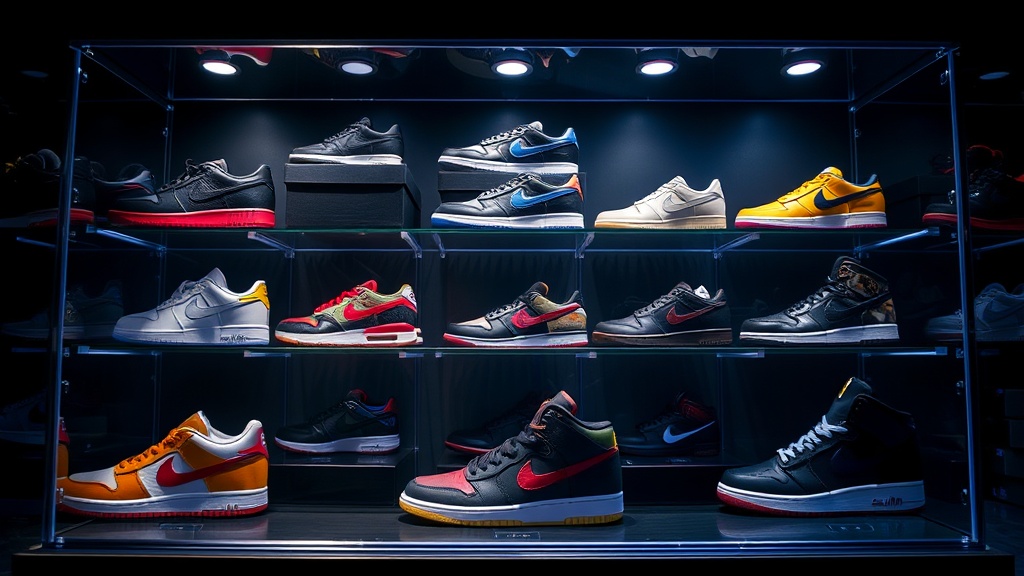
Choosing the Right Display Case for High-End Sneaker Collections

Imagine you just secured a deadstock pair of Off-White x Nike Air Jordan 1 Highs. You've spent months tracking the drop, and now they're sitting on your desk. But within a week, a thin layer of gray dust settles on the toe box, and the translucent sole starts looking slightly dull. This isn't just a lack of cleanliness; it's the beginning of a degradation process. Choosing the right display method isn't about making your room look cool—it's about creating a controlled environment that prevents physical and chemical breakdown.
A collection is an investment. Whether you're holding a single pair of heavy hitters or a full wall of grails, the way you present them dictates their longevity. If you put your sneakers in a standard plastic bin, you're asking for moisture buildup. If you leave them on an open shelf, you're inviting dust-driven abrasion. This guide breaks down the specific hardware you need to keep your collection in showroom condition.
What Is the Best Material for Sneaker Display Cases?
When you look at the market, you'll see three main contenders: acrylic, polycarbonate, and glass. Each has specific pros and cons depending on your budget and the value of your collection. Acrylic is the most common choice for home collectors because it's lightweight and relatively inexpensive. It's easy to clean, but it's also prone to scratching if you aren't careful with your cleaning tools.
Polycarbonate is much tougher—it's the stuff used in bulletproof glass—but it can be overkill for a residential setup. Glass is the gold standard for high-end galleries. It's much harder to scratch than acrylic and offers superior clarity, but it's heavy and breaks easily. If you're looking for professional-grade protection, check the specifications on Architectural Digest for high-end display trends, though you won't find much sneaker-specific advice there.
| Material | Durability | Clarity | Scratch Resistance |
|---|---|---|---|
| Acrylic | Moderate | High | Low |
| Polycarbonate | High | High | High |
| Glass | High | Very High | Very High |
For most of us in the community, high-quality acrylic is the sweet spot. It provides enough visibility to appreciate the silhouette while offering enough protection against the elements. Just remember that even the best acrylic can yellow if it's exposed to too much UV light, so don't just stick them anywhere.
How Do I Prevent Yellowing in My Display Cases?
Yellowing is the enemy of any collector. It happens through two main processes: oxidation and UV exposure. If your sneakers are sitting in a clear case that's also sitting in a sunbeam, that's a recipe for disaster. Even if the case is "UV resistant," no plastic is truly immune to long-term light-induced degradation. This is especially true for white midsoles and clear outsoles.
To combat this, look for cases that offer a sealed environment. A sealed case prevents oxygen from interacting directly with the materials, which slows down the oxidation process. You might also consider adding small silica gel packets (the kind you find in shoeboxes) inside the base of the case to manage humidity. High humidity can lead to many issues, including the breakdown of adhesives and the growth of mold on leather or suede surfaces. You can find more about material science and environmental stability through resources like ScienceDirect if you want to get technical about why certain polymers react to light.
Don't forget the lighting. If you use LED strips inside your display, ensure they are low-heat. Standard LED strips are generally safe, but cheap, unbranded lights can still generate enough heat to warp certain synthetic materials or accelerate the aging of the glue. Always keep your display in a temperature-controlled room. A garage or a basement with fluctuating temperatures will ruin even the best-protected collection.
Should I Use Individual Boxes or a Large Cabinet?
This is the classic debate: individual acrylic boxes vs. a single large display cabinet. Individual boxes are great for small collections where you want to highlight one specific pair. They are easy to move around and can be stacked. However, they can look cluttered if you have dozens of them, and they don't offer much airflow.
A large display cabinet (often called a "sneaker wall") looks much more professional and provides a unified aesthetic. It allows you to control the entire environment—lighting, humidity, and temperature—in one single unit. The downside? It's a massive investment and requires more space. If you're starting out, I'd recommend a hybrid approach. Use individual boxes for your most precious grails and a larger, more stable cabinet for your mid-tier rotation.
Keep in mind that a large cabinet needs a way to breathe. If you seal a massive cabinet completely without any ventilation, you're essentially creating a greenhouse. If a single pair has any moisture left in the sole or if the leather is slightly damp, that moisture has nowhere to go. This is why many collectors use a single, dedicated display unit that can be easily opened for cleaning or rotation.
When you're choosing your display, think about the weight of the shoes. High-top silhouettes and heavy-duty basketball shoes can be surprisingly heavy when stacked. Ensure your shelving is sturdy and won't bow over time. A sagging shelf isn't just an eyesore; it can actually put pressure on the sneaker's structure, leading to permanent creases or even damage to the heel counter.