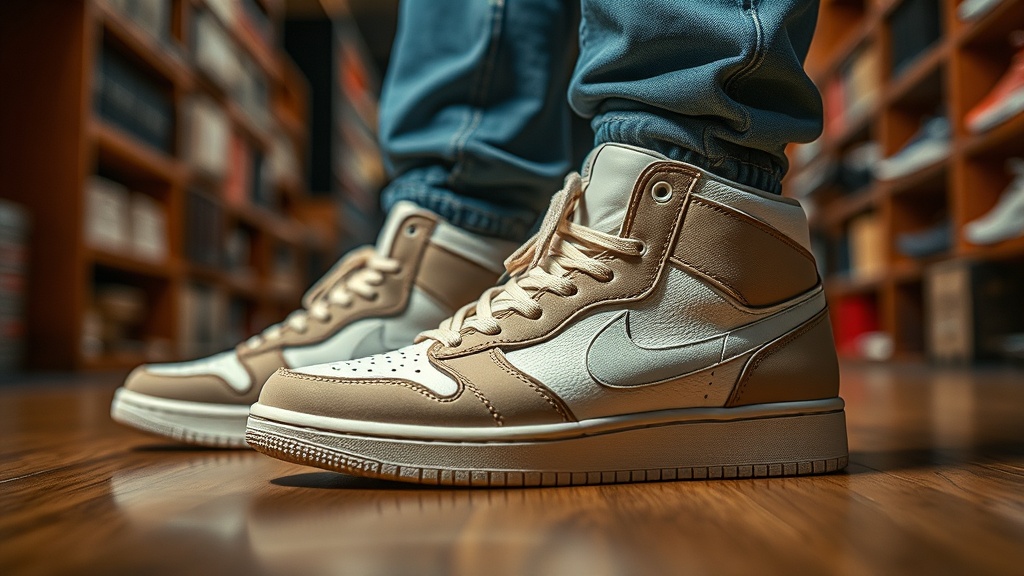
Building a Verifiable Provenance Trail for Your High-End Sneaker Collection

You've finally tracked down that pair of 2011 Air Jordan 11 "Concord" deadstock in your size. The seller's photos look pristine, the carbon fiber checks out, and the price—while steep—seems fair for the condition. But when you ask about paperwork, they shrug. "I bought them from a guy on Facebook a few years back." Suddenly, that grail doesn't feel quite so secure. In the high-end sneaker market, authenticity isn't just about what you can see—it's about what you can prove.
Provenance—that paper trail documenting where an item came from, who owned it, and how it changed hands—separates a confident purchase from an expensive gamble. For collectibles worth hundreds or thousands of dollars, verifiable history adds tangible value and provides resale security. This guide covers how to evaluate, document, and maintain provenance for your collection.
What Documentation Actually Matters for Sneaker Provenance?
Not every piece of paper adds value. Understanding what collectors and authentication services actually look for helps you focus on documentation that matters.
Original purchase receipts remain the gold standard. Nike SNKRS receipts, boutique invoices, or consignment shop documentation directly link the sneaker to an authorized retailer. These should include the purchase date, price, SKU, and retailer information. Digital receipts from verified email accounts carry almost as much weight as printed copies—screenshot them and store them securely.
Authentication certificates from recognized services like StockX, GOAT, or Legit Check App provide secondary verification. These aren't foolproof (services occasionally miss fakes), but they demonstrate due diligence and professional review. Keep digital copies of these certificates—they're often easier to transfer to buyers than physical cards.
Original packaging and accessories matter more than casual collectors realize. That extra set of laces, the desiccant packet, the tissue paper with proper branding—these details indicate careful handling and suggest legitimate retail origin. Take photos of these elements before storing them, as they can get lost or damaged over years of storage.
Previous ownership documentation becomes valuable for vintage pieces. A signed statement from a previous owner, screenshots of original purchase confirmations, or even social media posts showing the shoes when new can establish timeline credibility. For collaborations or limited releases with known drop dates, this timeline verification matters.
How Do Digital Provenance Platforms Work?
The collectibles world has embraced blockchain and digital verification systems—and sneakers are no exception. Understanding these tools helps you use modern provenance methods.
Nike's .SWOOSH platform and similar initiatives from other brands represent the future of sneaker provenance. When you buy a digital twin or NFT tied to a physical pair, that blockchain record becomes immutable proof of purchase and ownership. These systems are still evolving, but early adopters who secure digital certificates now may find their documentation significantly more valuable in secondary markets later.
Third-party apps like Sneaker Con's digital authentication system create portable provenance records. After physical authentication, the service generates a digital certificate tied to the specific pair's unique characteristics—stitching patterns, box codes, production details. Buyers can verify this certificate independently, adding confidence to peer-to-peer sales.
For collectors managing larger inventories, simple spreadsheet tracking works surprisingly well. Record acquisition dates, purchase prices, seller information, and storage locations. Include links to cloud-stored photos of documentation. This low-tech approach creates an audit trail that proves invaluable for insurance claims, estate planning, or eventual liquidation.
What Red Flags Should Make You Walk Away?
Sometimes missing provenance signals deeper problems. Recognizing these warning signs protects you from expensive mistakes.
Vague ownership history tops the list. "I got them as a gift" without gift receipts, "My cousin works at Nike" without employee verification, or "Found them in storage" without any corroborating details—these stories rarely hold up under scrutiny. Legitimate high-value sneakers almost always come with some paper trail, even if incomplete.
Refusal to provide documentation photos before purchase indicates potential problems. Sellers with authentic pairs and proper provenance typically accommodate reasonable documentation requests. Those who get defensive, make excuses about privacy, or claim documentation was "lost in a move" often know something you don't.
Inconsistent timeline details suggest fabrication. If a seller claims they bought 2015 Chicago 1s at retail but describes the purchase process incorrectly, that's a problem. True collectors remember acquisition stories clearly—they're meaningful moments. Contradictory details about when, where, or how a pair was obtained warrant careful verification.
Pressure to complete transactions quickly bypasses due diligence. "Someone else is coming to look at these in an hour" or "I need the money today" creates artificial urgency designed to short-circuit your verification process. Authentic grails sell themselves—sellers don't need high-pressure tactics.
Building Provenance for Shoes You Already Own
If your current collection lacks documentation, don't panic. You can build provenance retroactively—even if it's not as strong as original purchase records.
Start with professional authentication. Services like Legit Check App or local consignment shops with authentication expertise can examine your pairs and provide certificates. These establish baseline authenticity that future buyers can reference. Keep detailed photos from the authentication process, especially any unique identifying marks.
Create your own documentation package. Write acquisition stories while memories are fresh—where you bought them, what you paid, any notable details about the transaction. Include photos of the shoes from multiple angles, close-ups of tags and production dates, and shots of any included accessories. Store this information in cloud storage with organized naming conventions.
Maintain condition records over time. Photograph your collection annually to document that pairs remain unworn or properly stored. These chronological photos demonstrate care and create additional timeline verification. For truly valuable pieces, consider professional condition assessments from collectibles insurers or specialized sneaker services.
When you eventually sell, transfer documentation systematically. Provide buyers with all available records, authentication certificates, and your own documentation. Ask them to acknowledge receipt in writing. This completes the provenance chain and protects both parties if questions arise later.
The sneaker market continues maturing—and with that maturity comes increased scrutiny of provenance. Collectors who prioritize documentation now build lasting value into their collections. Those who ignore it risk watching their "grails" become unsellable mysteries. In a market where authentication technology constantly evolves, that paper trail might matter more than the shoes themselves.